DIRECTOR’S PERSPECTIVE
Before collaborating with Susan Sommerdyk and ONA Local 8, I had no idea how widespread and severe the abuse of nurses really was. It is one thing to dedicate your life to caring for others; it is another to be verbally, emotionally, and physically assaulted in the process. To then return to work the next day and repeat the cycle is a testament to a resilience that most never see.
That realization became the emotional spine of this entire campaign.
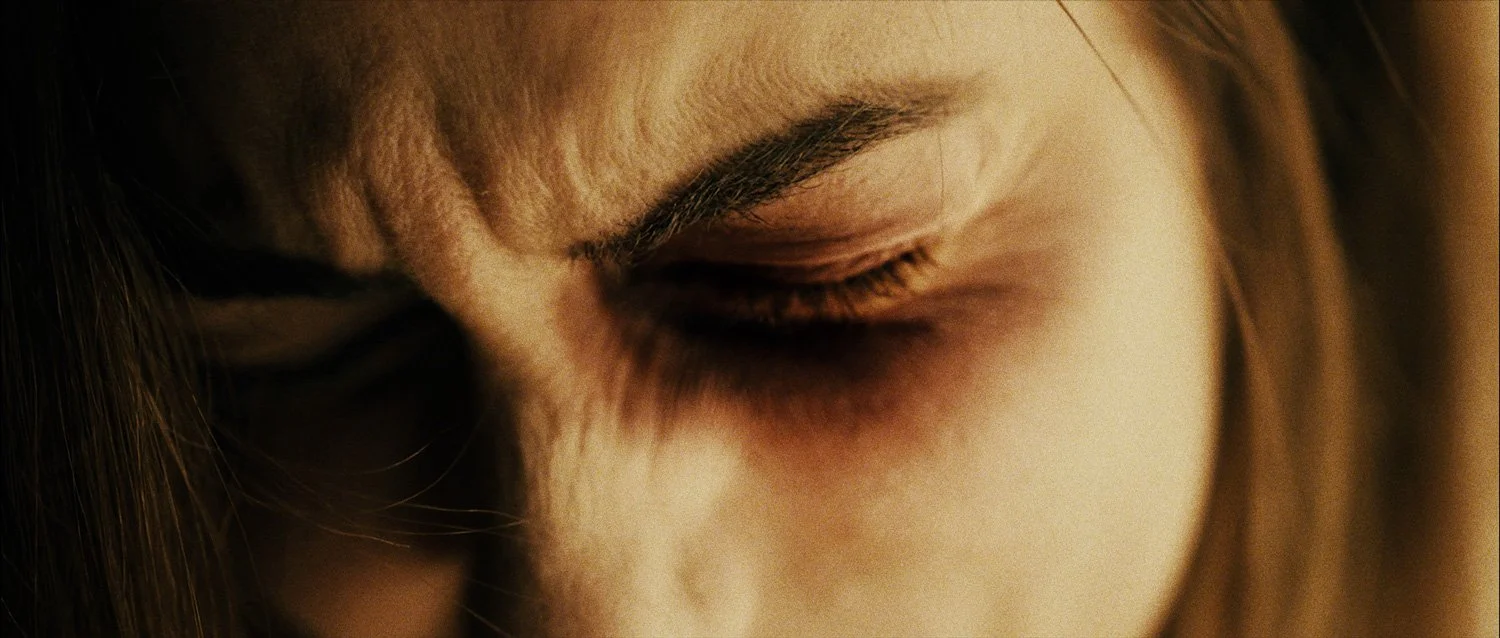
Each film tackles a different layer of trauma. “Another Morning” takes a quiet, minimal approach as we follow a woman preparing for work while covering her bruises from the day before. There is no dialogue. There are only silence, scars, and the soft glow of sunrise: a surreal contrast meant to evoke how pain does not always scream.
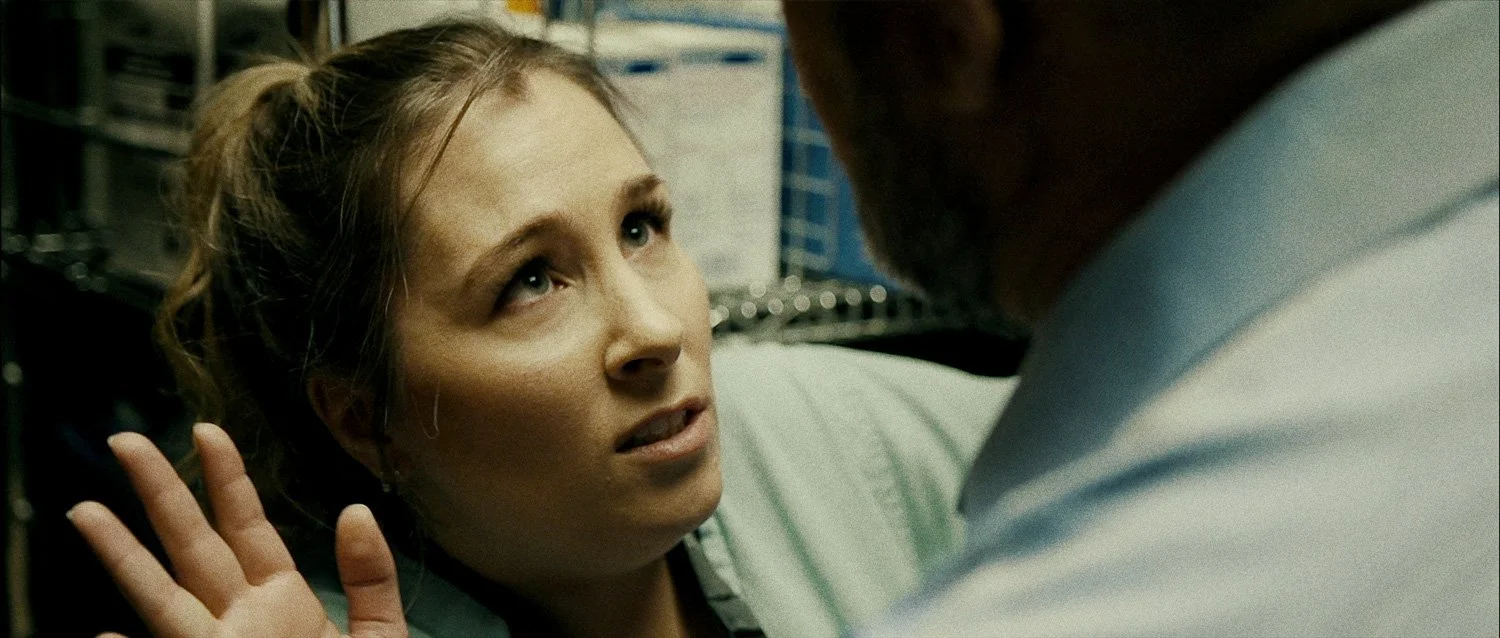
“Perspective of Violence” throws viewers directly into the victim’s shoes mid-incident. Through first-person camera angles and muffled sound design, we replicated the sensation of being verbally attacked: overwhelmed, trapped, and alone. We wanted to make it impossible to look away.
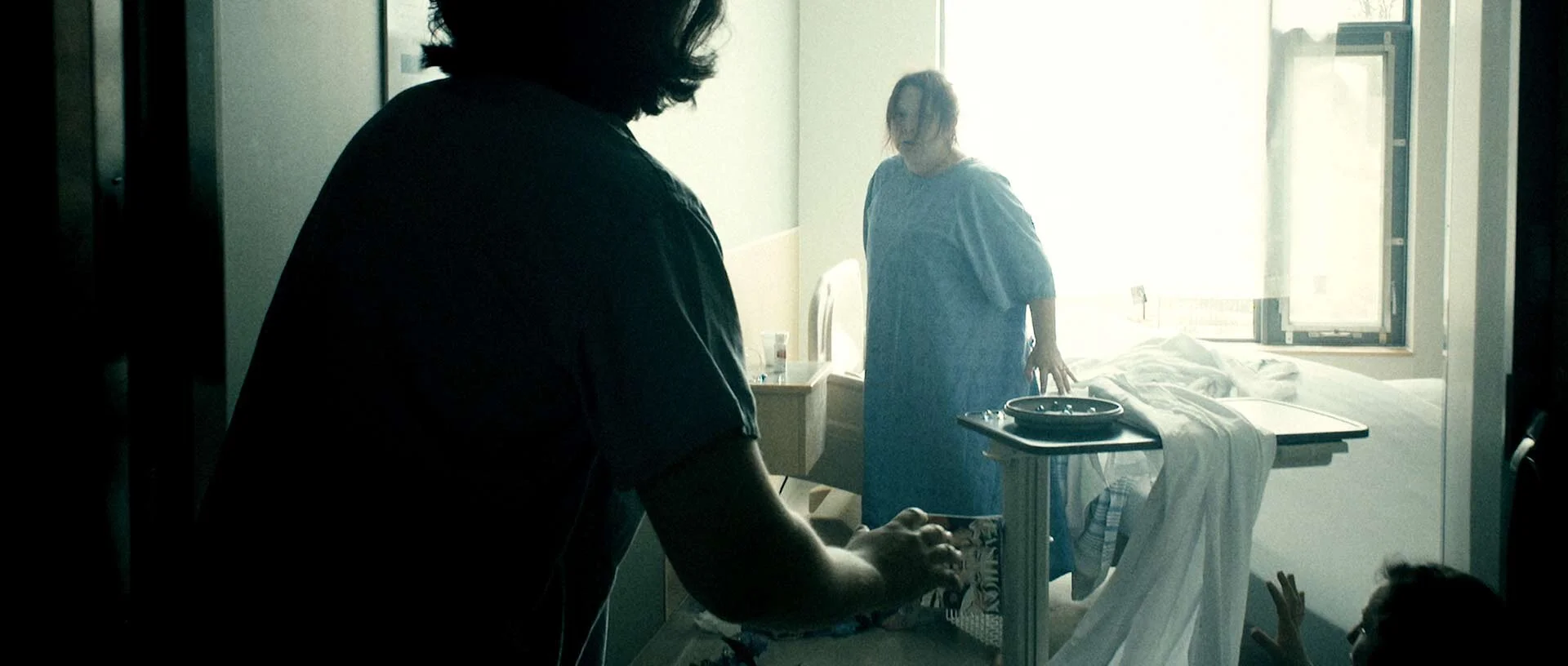
“Real-Time Emergency” uses a single, unbroken shot to heighten realism and escalate tension. It begins with a nurse performing his duties and ends with an assault. All in one take, the film captures the unpredictability and urgency of violence in healthcare settings.
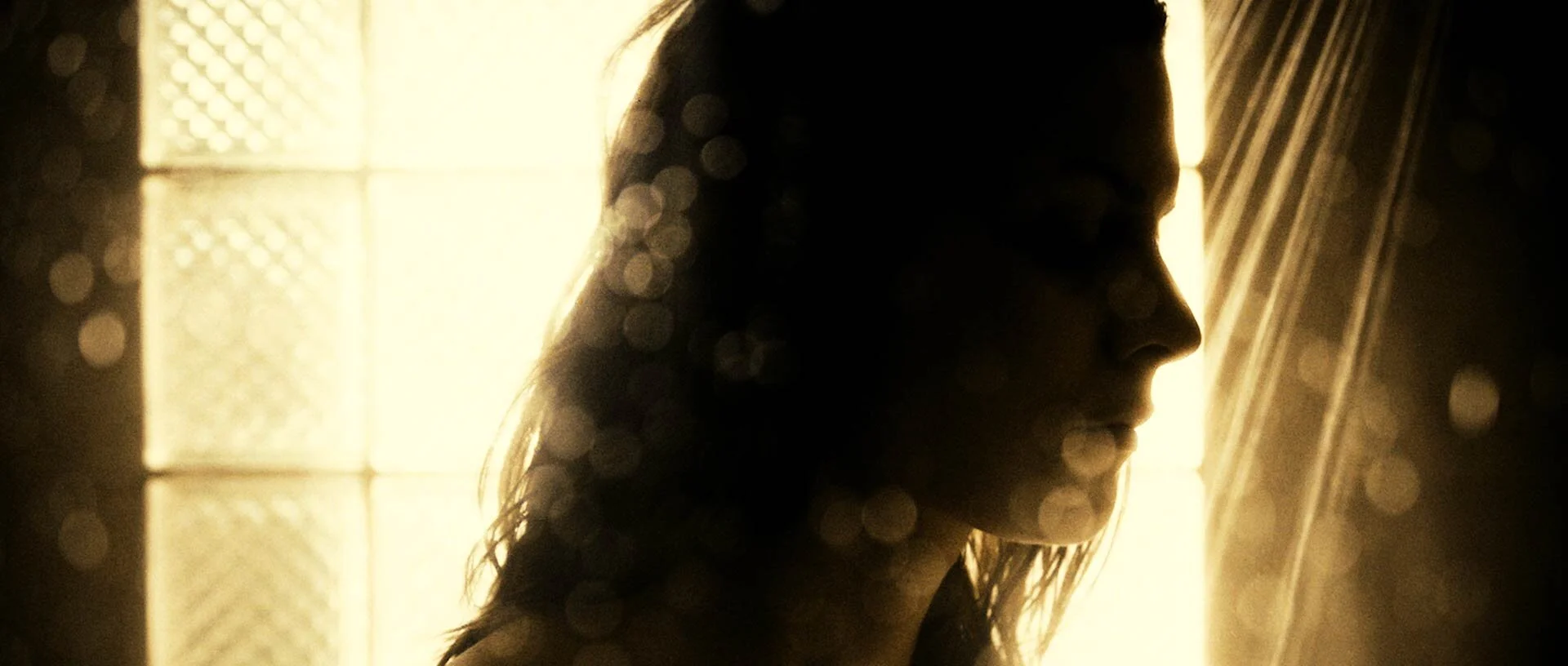
Finally, “No Room to Grieve” is a five minute short film about PTSD. It moves beyond statistics to immerse the viewer in the fractured mental state of a nurse living with trauma. Time dilates, scenes loop, and even a hot shower becomes a warzone of memory and anxiety. Built around real symptoms such as depersonalization, time displacement, and dissociation, this film is the emotional culmination of the campaign.
Together, these stories form a unified message: this is not part of the job. We chose to tell these stories cinematically and honestly, not to shock, but to show the world the brutal reality healthcare workers face every day.